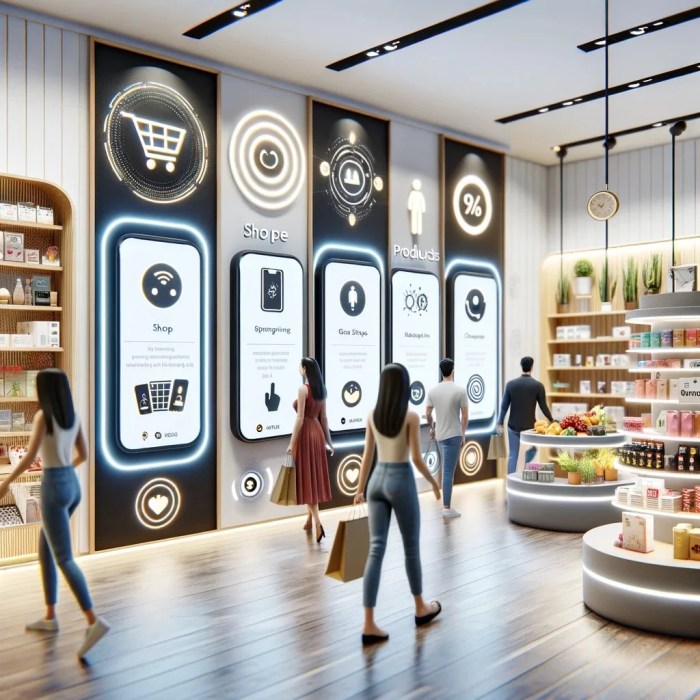
AI In Retail Transforming the Shopping Experience
AI In Retail is revolutionizing the way consumers shop, offering an innovative approach that not only enhances customer satisfaction but also optimizes operations behind the scenes. With the rise of personalized recommendations, shoppers are now experiencing tailored suggestions that align with their preferences, making their shopping journey more enjoyable and efficient.
This technological shift isn’t just about improving customer experiences; it also transforms how retailers manage inventory and engage with customers through advanced chatbots and analytics. From optimizing supply chains to ethical considerations, the impact of AI is broad and significant, shaping the future of retail in ways we are just beginning to understand.
The Impact of AI on Consumer Behavior
The advent of artificial intelligence (AI) in retail has considerably transformed consumer behavior, shaping how shoppers interact with brands and make purchasing decisions. This change is largely due to AI’s ability to analyze vast amounts of data, leading to personalized shopping experiences that cater to individual preferences and behaviors.AI technology significantly influences shopping habits by providing insights that drive convenience and efficiency.
For instance, AI algorithms can analyze past purchases, browsing history, and even demographic data to predict what items a consumer might be interested in next. This predictive capability allows retailers to present relevant products at the right time, effectively increasing the likelihood of conversion. As a result, consumers are more likely to engage in impulse buys and repeat purchases, ultimately reshaping their shopping habits.
Personalized Recommendations Enhancing Customer Satisfaction
Personalized recommendations have become a cornerstone of modern retail, greatly enhancing customer satisfaction. By leveraging AI-driven analytics, retailers can deliver tailored suggestions that resonate with individual shoppers.The importance of personalized recommendations can be summarized as follows:
- Increased Relevance: Recommendations are based on unique shopping patterns, making them more relevant to consumers’ current needs.
- Higher Engagement: Personalization leads to increased engagement, as consumers feel understood and valued by the brand.
- Boosted Sales: Effective recommendations can lead to higher average order values as customers are introduced to products they may not have considered.
- Improved Customer Loyalty: Shoppers are more likely to return to brands that remember their preferences and offer personalized experiences.
This method of engaging consumers creates a more enjoyable shopping experience, as evidenced by major retailers like Amazon and Netflix, which have harnessed AI to provide product and content recommendations that keep customers returning.
AI-Driven Insights Changing Inventory Management Strategies
AI’s impact extends beyond customer interaction and deeply affects inventory management strategies, allowing retailers to optimize stock levels and predict demand with greater accuracy. By analyzing historical sales data, seasonal trends, and even social media sentiment, AI tools enable retailers to make more informed decisions about inventory.Key factors influenced by AI-driven insights include:
- Demand Forecasting: AI algorithms can forecast demand more accurately by analyzing various data points, leading to reduced overstock and stockouts.
- Dynamic Pricing: Retailers can adjust prices in real-time based on inventory levels and consumer demand, maximizing revenue opportunities.
- Supply Chain Optimization: Enhanced insights help streamline supply chain processes, reducing lead times and operational costs.
- Inventory Turnover: By predicting which products will sell faster, retailers can optimize their inventory turnover rates, freeing up cash flow for other areas of the business.
These strategies demonstrate how AI not only enhances customer experiences but also positions retailers to operate more efficiently in a highly competitive landscape. The integration of AI in retail is a testament to its potential to reshape both consumer behavior and operational processes for the better.
AI-Powered Customer Service Solutions
The integration of AI into customer service has revolutionized the way retailers interact with their consumers. By utilizing advanced technologies such as machine learning and natural language processing, businesses can provide personalized and efficient support to their customers. AI-powered customer service solutions not only enhance the customer experience but also optimize operational efficiency for retailers.
Examples of AI Chatbots in Retail
AI chatbots have emerged as a popular tool in the retail sector, providing immediate assistance and support to customers. Some notable examples include:
- Sephora’s Virtual Artist: This chatbot allows customers to try on makeup virtually. By analyzing facial features and skin tones, it provides tailored product recommendations, improving the shopping experience and driving sales.
- H&M’s Chatbot: H&M’s AI chatbot helps customers find clothing items based on their preferences. It learns from customer interactions, becoming more effective at suggesting products over time.
- ASOS’s Enki: ASOS employs Enki, a chatbot that guides users through their shopping journey by offering personalized style advice and product recommendations based on previous purchases and browsing history.
The effectiveness of these chatbots is evident in their ability to handle multiple inquiries simultaneously, significantly reducing wait times for customers. They can also operate 24/7, ensuring that retail brands remain accessible to customers at any time.
Integrating AI into Existing Customer Service Frameworks
Integrating AI into established customer service frameworks requires a strategic approach to ensure seamless operations. Retailers can achieve this by following several methods:
- Assessment of Current Systems: Evaluate existing customer service processes to identify areas where AI can provide enhancements, such as automating repetitive tasks or improving response times.
- Data Collection and Analysis: Gather customer interaction data to train AI models effectively. This data can inform the AI on common inquiries and customer preferences.
- API Integration: Utilize APIs to integrate AI chatbots with existing customer relationship management (CRM) systems, ensuring that customer interactions are logged and accessible for future reference.
- Employee Training: Train customer service representatives on how to work alongside AI tools. This includes understanding when to escalate inquiries to human agents and how to interpret AI-generated insights.
Such integration not only enhances responsiveness but also allows human agents to focus on more complex customer issues, thereby improving overall service quality.
Benefits of Using AI for Customer Inquiries and Complaints
Employing AI for customer inquiries and complaints offers numerous advantages for retailers. The primary benefits include:
- Increased Efficiency: AI can process and respond to thousands of inquiries simultaneously, reducing the burden on customer service teams and improving response times.
- Consistency in Responses: AI ensures that customers receive consistent information, thereby enhancing trust and reliability in customer service.
- Cost Savings: Automating customer service functions can significantly reduce operational costs, allowing businesses to allocate resources to other critical areas.
- Personalized Customer Experience: AI can analyze customer data to offer tailored recommendations and responses, leading to a more engaging shopping experience.
As retailers continue to adapt to the evolving landscape of consumer behavior, AI-powered customer service solutions will play a pivotal role in shaping customer interactions and driving satisfaction.
Enhancing Supply Chain Management with AI
AI has become a game-changer in retail supply chain management, transforming how businesses optimize logistics and streamline operations. By leveraging advanced algorithms and machine learning capabilities, retailers can enhance visibility, responsiveness, and efficiency throughout their supply chains. With the integration of AI technologies, companies can better navigate the complexities of modern logistics, leading to more informed decision-making and improved customer satisfaction.AI optimizes logistics and supply chain operations by analyzing vast amounts of data in real time, identifying patterns, and predicting outcomes.
This not only helps in understanding current supply chain dynamics but also in anticipating future challenges. For instance, AI can analyze historical sales data, market trends, and seasonal demand fluctuations to fine-tune inventory management and streamline the logistics process.
AI Tools for Demand Prediction and Stock Management
Several AI tools are pivotal in predicting demand and managing stock levels effectively. These tools enable retailers to maintain optimal inventory levels while minimizing excess stock and reducing the risk of stockouts. Below are key AI tools and their functions:
- Machine Learning Algorithms: These algorithms analyze historical data to predict future demand accurately. Companies like Amazon utilize machine learning for their recommendation engines, which helps forecast what products customers are likely to buy based on past behavior.
- Predictive Analytics Platforms: Tools such as IBM Watson and SAP Integrated Business Planning provide robust analytics capabilities. They gather data from various sources, enabling retailers to foresee demand spikes or drops and adjust inventory accordingly.
- Automated Inventory Management Systems: Solutions like TradeGecko and Fishbowl automate stock tracking and reorder processes. These platforms use AI to suggest optimal stock levels and reorder points, significantly reducing manual oversight.
The impact of AI on reducing operational costs in retail supply chains is profound. By improving demand forecasting accuracy, AI minimizes excess inventory and reduces associated holding costs. Additionally, intelligent logistics solutions streamline transportation routes, leading to lower fuel expenses and faster delivery times.
“Utilizing AI technologies can lead to a reduction in supply chain operational costs by up to 30%.”
Real-life examples illustrate this impact. For instance, Walmart implemented AI-driven analytics to optimize its logistics network, resulting in a significant decrease in transportation costs and improved delivery times. Similarly, Procter & Gamble adopted advanced analytics to forecast demand accurately, enabling them to reduce inventory levels and minimize waste across their supply chain.Through the strategic implementation of AI, retailers can not only enhance their supply chain management but also ensure they are equipped to meet the evolving demands of the marketplace.
AI in Visual Merchandising and Store Design
With the evolution of technology, the integration of AI in visual merchandising and store design has transformed how retailers engage with customers. By leveraging data-driven insights, businesses can create more appealing environments that enhance consumer experiences, boost sales, and optimize store layouts to guide customer behavior effectively.AI has the capacity to analyze customer traffic patterns, allowing retailers to optimize store layouts based on real-time data.
By utilizing advanced analytics and machine learning, AI systems can track which areas of a store attract the most foot traffic and which displays resonate with shoppers. This data enables businesses to strategically position products, ensuring high-demand items are easily accessible while optimizing the space for maximum engagement. Retailers can also implement sensors and camera data to monitor customer interactions, providing insights into movement trends and dwell times.
Creating Engaging In-Store Displays
The development of engaging in-store displays is essential for captivating customers and driving sales. AI can enhance this aspect through various approaches:
Dynamic Display Adjustment
AI algorithms can assess customer reactions in real-time, allowing retailers to modify displays instantly. For example, if a particular arrangement attracts more attention, retailers can amplify it while reducing the visibility of less popular items.
Personalization
AI can tailor in-store displays based on customer preferences and behavior. By analyzing past purchases and browsing habits, retailers can showcase products that align with individual customer profiles, thereby increasing the likelihood of conversion.
Predictive Analytics for Seasonal Trends
Retailers can utilize AI to forecast seasonal trends and adjust displays accordingly. By analyzing historical sales data and current market trends, businesses can create timely and relevant displays that attract customers.
Influence of AI on Visual Aesthetics and Customer Experience
AI’s role in enhancing visual aesthetics directly impacts the overall customer experience in physical stores. These factors are crucial for a positive retail environment:
Optimized Lighting and Color Schemes
AI can analyze customer behavior to determine optimal lighting and color palettes that evoke desired emotions or actions. For instance, warm colors can create a welcoming atmosphere, while cooler shades might be used to promote calmness in a luxury retail setting.
Traffic Flow Management
By understanding how customers navigate a store, AI can suggest layout designs that promote smoother traffic flow. This minimizes congestion and enhances accessibility, leading to a more enjoyable shopping experience.
Engaging Interactive Elements
AI can facilitate the integration of interactive elements in-store, such as augmented reality displays or digital kiosks. These features not only draw attention but also offer additional product information, enhancing customer engagement and satisfaction.
“The effective use of AI in visual merchandising can significantly elevate the shopping experience, making it more intuitive and enjoyable for consumers.”
Ethical Considerations of AI in Retail
The integration of AI in retail has transformed the industry, creating new opportunities for enhancing customer experiences and streamlining operations. However, these advancements come with significant ethical considerations that retailers must navigate carefully. The implications of data privacy, ethical responsibilities in AI usage, and the potential biases in algorithms are critical areas that demand attention to ensure fair and responsible practices in the retail sector.
Data Privacy Implications in AI Applications
As retailers increasingly leverage AI technologies, they collect vast amounts of consumer data to personalize experiences and optimize operations. This raises profound concerns about data privacy and the ethical handling of sensitive information. Retailers must prioritize customer trust by implementing robust data protection measures and ensuring transparency in data collection practices.
- Establishing clear consent protocols for data usage is essential to respect consumer autonomy.
- Retailers should be transparent about what data is collected, how it is used, and who it is shared with.
- Implementing strong cybersecurity measures to protect customer information from breaches is critical to maintaining trust.
Data privacy is not just a compliance issue; it’s a trust issue that can make or break customer relationships.
Ethical Responsibilities of Retailers in Using AI Technologies
Retailers wield significant power through AI technologies, which also comes with ethical responsibilities. They must ensure that these technologies are used in ways that are beneficial and equitable to all consumers. This includes avoiding manipulative practices that could exploit vulnerable populations, such as excessive pricing strategies based on customer data.
- Retailers should conduct regular audits of their AI systems to ensure ethical standards are upheld.
- Engaging with diverse stakeholder groups can provide valuable perspectives on the impacts of AI deployment.
- Continuous education and training for employees on ethical AI usage are essential to cultivate a responsible corporate culture.
Ethical AI usage is not merely an option; it is a fundamental obligation that shapes the retailer’s reputation and customer loyalty.
Potential Biases in AI Algorithms and Their Impact on Customer Relations
AI algorithms can inadvertently perpetuate biases present in training data, leading to unfair treatment of certain customer segments. These biases can negatively impact customer relations, resulting in alienation and loss of trust.
- Retailers must proactively identify and mitigate bias in their AI models to ensure equitable treatment across diverse consumer groups.
- Regularly updating training datasets with diverse and representative data is crucial for reducing algorithmic bias.
- Transparency in how AI decisions are made can help build trust and accountability with customers.
Addressing biases in AI is not just a technical requirement; it is a moral imperative that defines the fairness of customer interactions.
Future Trends of AI in Retail

Source: vux.world
The future of artificial intelligence in retail promises to reshape the industry in revolutionary ways. As technology continues to evolve, retailers are expected to leverage AI solutions to enhance customer experiences, optimize operations, and drive growth. Understanding these trends is vital for businesses aiming to stay competitive in an increasingly digital marketplace.AI technology is advancing rapidly, with several key developments on the horizon that will significantly impact the retail landscape.
From enhanced personalization to improved operational efficiencies, emerging AI tools are set to transform how consumers interact with brands and how retailers manage their businesses. These advancements not only benefit large corporations but also present unique opportunities for small businesses to thrive.
Emerging AI Tools for Personalization
The potential of AI to personalize the shopping experience is expanding, driven by advancements in machine learning and data analytics. Retailers can utilize these tools to tailor their offerings to individual customer preferences in real-time.The importance of personalized marketing cannot be overstated, as it leads to increased customer satisfaction and loyalty. Here are some examples of emerging AI tools enhancing personalization:
- Predictive Analytics: By analyzing customer data, retailers can predict future buying behaviors, allowing them to send targeted promotions or recommendations that align with individual shopping habits.
- Dynamic Pricing: AI algorithms can adjust prices based on consumer demand, competitor pricing, and market trends, ensuring that customers receive the best value while maximizing revenue for retailers.
- Virtual Try-Ons: Augmented reality tools enable customers to visualize how products will look or fit before purchasing, making the buying process more engaging and reducing return rates.
- Chatbots with Natural Language Processing: These AI-driven systems can provide personalized customer service by understanding and responding to inquiries based on user history and preferences, creating a more individualized shopping experience.
Democratization of Retail Opportunities
AI not only benefits larger retailers but also plays a crucial role in leveling the playing field for small businesses. With the right AI solutions, smaller enterprises can compete more effectively against industry giants.The ability of AI to democratize retail opportunities can be illustrated through various aspects:
- Cost Efficiency: AI tools can streamline operations by automating repetitive tasks, allowing small businesses to allocate resources more effectively and focus on growth.
- Access to Data Insights: Advanced analytics tools provide small retailers with insights into consumer behavior and market trends, enabling them to make data-driven decisions comparable to larger corporations.
- Enhanced Marketing Strategies: AI platforms offer affordable, automated marketing solutions that can help small businesses reach their target audience more effectively, increasing visibility and customer engagement.
- E-Commerce Support: AI-driven platforms can assist small retailers in establishing robust online stores, improving inventory management, and enhancing customer service without requiring significant technological investment.
“AI is set to transform the retail landscape, offering tools that empower all businesses to personalize experiences and optimize operations effectively.”
Case Studies of Successful AI Implementation

Source: prismetric.com
Retailers are increasingly adopting artificial intelligence to enhance their operations and improve customer experiences. By analyzing specific case studies, we can gain valuable insights into how AI is reshaping the retail landscape. These examples showcase not only effective integration but also measurable outcomes that highlight the transformative potential of AI technologies in retail.
Sephora’s AI-driven Personalization, AI In Retail
Sephora, a leader in beauty retail, has effectively integrated AI into their customer engagement strategy through their Virtual Artist app. This application allows users to try on makeup virtually, using augmented reality powered by AI algorithms. The measurable outcomes include a significant increase in customer engagement, with over 70% of users reporting a higher likelihood of purchase after using the tool.
The personalized recommendations based on user preferences and past purchases have led to improved sales and customer satisfaction. This case emphasizes the importance of leveraging technology to create a unique shopping experience that meets individual customer needs while promoting brand loyalty.
Walmart’s Supply Chain Optimization
Walmart has harnessed AI to optimize its supply chain management systems. By utilizing machine learning algorithms to analyze sales data and forecast demand, Walmart has improved inventory management and reduced stockouts. For instance, the company reported a 10% increase in on-shelf availability thanks to AI-driven inventory optimization. The insights gained from AI analytics also allow Walmart to better understand customer behavior, leading to more informed decisions regarding product placement and promotions.
This case illustrates the significant advantages of integrating AI into supply chain processes, particularly in enhancing operational efficiency and customer service.
H&M’s Trend Prediction Models
H&M has turned to AI for improving its trend prediction capabilities. By analyzing social media trends, online searches, and purchase patterns, the retailer can better anticipate fashion trends and customer preferences. The implementation of predictive analytics has resulted in a notable reduction in overproduction, as the company has been able to align its inventory more closely with actual consumer demand.
A reported decrease in unsold inventory has positive implications for sustainability, supporting H&M’s commitment to environmental responsibility.This initiative highlights the role of AI in enabling retailers to make data-driven decisions, which can lead to improved profitability and reduced waste.
Lessons from Successful and Unsuccessful AI Projects
While many retailers have experienced success with AI, there are also important lessons to be learned from unsuccessful projects. Understanding both sides can provide valuable insights into best practices and potential pitfalls. A few critical points to consider include:
- Clear Objectives: Successful AI implementations often begin with well-defined goals and objectives. Retailers must understand what they seek to achieve with AI, whether it’s improved customer service or increased operational efficiency.
- Data Quality: The quality of data used to train AI models is crucial. Retailers should prioritize clean, relevant, and comprehensive data to ensure the accuracy of AI outputs.
- Integration with Existing Systems: AI solutions should complement existing infrastructure. Those that fail to consider system compatibility often face integration challenges that hinder overall effectiveness.
- Continuous Learning: AI is not a set-and-forget solution. Retailers need to continually learn from the data, refine algorithms, and adapt strategies based on customer feedback and changing behaviors.
Essentials from both successful and unsuccessful AI projects underline the importance of strategic planning, robust data management, and ongoing evaluation, allowing retailers to harness AI’s full potential while mitigating risks.
Final Conclusion: AI In Retail

Source: allfortheai.com
In summary, the role of AI in Retail is multifaceted, offering opportunities to enhance customer interactions, streamline operations, and create better inventory management strategies. As we look to the future, the continuous evolution of AI technologies promises to further democratize the retail landscape, making it accessible and efficient for businesses of all sizes.
FAQs
What are the benefits of AI in retail?
AI improves customer experiences, optimizes inventory management, and enhances operational efficiency.
How do AI chatbots enhance customer service?
AI chatbots provide instant responses, handle inquiries efficiently, and learn from interactions to improve over time.
Can AI predict consumer trends?
Yes, AI analyzes data to identify patterns and help predict future consumer behaviors and trends.
What ethical concerns exist regarding AI in retail?
Key concerns include data privacy, algorithmic bias, and the ethical use of customer data.
How can small retailers benefit from AI?
AI tools can help small retailers compete by providing insights for personalized marketing and streamlined operations.