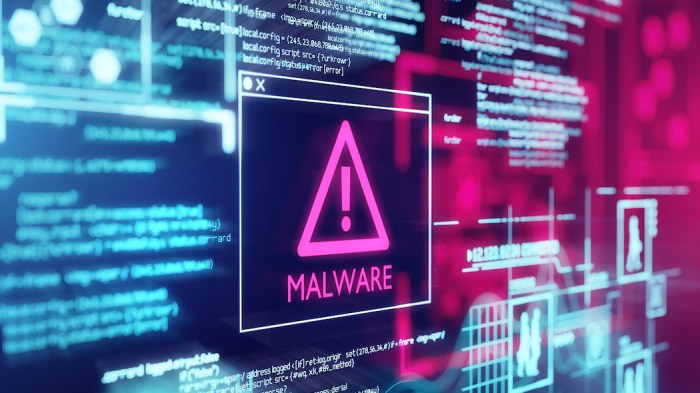
Cybersecurity For Small Business Safeguarding Your Assets
Cybersecurity For Small Business is more critical than ever as small enterprises face an increasingly hostile digital landscape. With the rise of cyber threats, it’s essential for business owners to understand the risks they encounter daily, from phishing schemes to ransomware attacks. As statistics reveal that small businesses are frequent targets of cybercriminals, safeguarding sensitive data becomes not just a choice, but a necessity for survival.
In this exploration, we will delve into the common cyber threats small businesses face, essential cybersecurity practices, and how to create a robust cybersecurity plan. By equipping yourself with knowledge and tools, you can ensure your business remains secure against potential breaches and cyberattacks.
Importance of Cybersecurity for Small Businesses
In today’s digital age, small businesses find themselves at a heightened risk of cyber threats. With the increasing reliance on technology and online platforms, understanding the significance of cybersecurity is crucial for any small business seeking to protect its assets and reputation. Small businesses often operate under the misconception that they are too insignificant to be targeted, but this could not be further from the truth.The current cybersecurity landscape is marked by a surge in sophisticated attacks aimed at smaller enterprises.
Cybercriminals recognize that many small businesses lack the necessary resources and defenses to effectively combat cyber threats. This vulnerability creates an attractive target for hackers, who often employ tactics such as phishing, ransomware, and malware attacks. A breach can lead to devastating repercussions, not only affecting the financial stability of the business but also tarnishing its reputation among customers and partners.
Risks and Consequences of a Cybersecurity Breach
The risks associated with a cybersecurity breach extend far beyond immediate financial loss. Businesses can face an array of repercussions that may jeopardize their long-term sustainability. Some of the potential consequences include:
Financial Loss
The average cost of a data breach for small businesses can reach up to $120,000, encompassing expenses related to recovery, legal fees, and potential fines.
Reputational Damage
A breach can erode customer trust and damage a company’s reputation, leading to a decline in sales and long-term customer relationships.
Operational Disruption
Cyber attacks can halt business operations, leading to lost productivity and revenue while systems are restored.
Legal Consequences
Failing to protect sensitive customer data can result in lawsuits and regulatory fines, particularly if the breach involves personal information.
Increased Insurance Premiums
Companies that experience data breaches may face higher cybersecurity insurance premiums, adding to their financial burden.Statistics reveal a stark reality for small businesses when it comes to cyber threats. According to the Verizon Data Breach Investigations Report, approximately 43% of cyber attacks target small businesses. Additionally, the National Cyber Security Alliance states that 60% of small businesses that suffer a cyber attack go out of business within six months.
These figures underscore the urgent need for small businesses to prioritize cybersecurity measures to safeguard their operations and future.
The reality is that no business, regardless of its size, is immune to cyber threats.
Common Cyber Threats Faced by Small Businesses
In today’s digital landscape, small businesses are increasingly becoming targets for cybercriminals. The prevalence of technology in everyday operations makes them susceptible to various cyber threats. Understanding these threats is paramount for small business owners to protect their assets and sensitive information effectively.Cyber threats such as phishing, malware, and ransomware are notably common among small businesses. These malicious activities can infiltrate networks through seemingly innocuous means, leading to devastating consequences.
By recognizing how these threats operate, small businesses can take proactive measures to safeguard their systems and data.
Phishing Threats
Phishing attacks target employees through deceptive emails or messages that appear to be from legitimate sources. Cybercriminals craft messages that entice recipients to provide sensitive information or click on harmful links. This technique is especially effective among small businesses with less sophisticated security awareness training. An example of a phishing case involved a small accounting firm that received an email resembling a client request.
Employees clicked the link, which led to a compromised system, allowing hackers to access financial data.
Malware Infiltration
Malware refers to malicious software designed to disrupt, damage, or gain unauthorized access to computer systems. For small businesses, malware often enters through downloads, email attachments, or compromised websites. Once installed, malware can steal sensitive information or corrupt essential data.A notable incident occurred with a small retail shop that downloaded an application from an unverified source. This led to a malware infection that took down their point-of-sale system, resulting in loss of sales and customer trust.
Ransomware Attacks
Ransomware is a particularly daunting threat where cybercriminals encrypt a business’s data and demand payment for decryption. Small businesses often lack robust backup procedures, making them more vulnerable to this type of attack. The fear of data loss can compel business owners to pay the ransom, which unfortunately does not guarantee data recovery.In one case, a local healthcare provider was hit by a ransomware attack that paralyzed their operations for several days.
They ultimately paid the ransom but still faced significant financial losses and damage to their reputation.
Summary of Cyber Threats
Understanding the landscape of cyber threats is crucial for small businesses looking to protect themselves. Key threats include:
- Phishing: Deceptive emails trick employees into divulging sensitive data.
- Malware: Malicious software infiltrates systems, leading to data loss or corruption.
- Ransomware: Data is held hostage, often forcing businesses to pay ransoms for recovery.
By being aware of these threats and the tactics used by cybercriminals, small businesses can implement better security measures and training for their employees to mitigate risks.
Essential Cybersecurity Practices for Small Businesses

Source: pixabay.com
In an increasingly digital world, small businesses face unique challenges when it comes to cybersecurity. Implementing robust cybersecurity practices is not just a technical necessity, but a crucial component of business continuity and risk management. By adopting certain fundamental practices, small businesses can significantly reduce their vulnerability to cyber threats and protect sensitive data.
Fundamental Cybersecurity Practices Checklist
Every small business should have a checklist of essential cybersecurity practices to ensure a proactive approach to security. These practices form the backbone of a solid cybersecurity strategy, which can help mitigate risks effectively. Here are key practices that should be adopted:
- Conduct regular security risk assessments to identify vulnerabilities.
- Implement firewalls and antivirus software to guard against external threats.
- Train employees on cybersecurity awareness and best practices.
- Regularly back up data and store it securely offsite.
- Limit access to sensitive information to only those who need it.
- Establish a response plan for when a cyber incident occurs.
Importance of Regular Software Updates and Patch Management
Regular software updates and effective patch management are crucial to maintaining a secure environment. Software vendors frequently release updates to address vulnerabilities, improve functionality, and enhance security. Failure to keep software up to date puts businesses at significant risk of cyberattacks.Regular updates help close security gaps and protect against newly discovered vulnerabilities. For example, the Equifax data breach in 2017 stemmed from an unpatched vulnerability in Apache Struts software, which led to sensitive information being compromised.
By ensuring software is updated promptly, businesses can safeguard their systems against similar threats.
Establishing Strong Password Policies
Creating strong password policies is essential for protecting sensitive information within an organization. A well-designed password policy can significantly reduce the risk of unauthorized access. The following procedure Artikels steps to establish strong password practices:
1. Set Minimum Password Length
Require passwords to be at least 12 characters long to enhance complexity.
2. Encourage Complexity
Mandate that passwords include a mix of uppercase letters, lowercase letters, numbers, and special characters.
3. Implement Regular Changes
Require employees to change passwords every 90 days, reducing the risk of long-term exposure.
4. Use Two-Factor Authentication (2FA)
Enforce 2FA where possible, providing an extra layer of security beyond just passwords.
5. Educate Employees
Provide training on creating strong passwords and the importance of not reusing passwords across different accounts.By adopting these practices, small businesses can create a more secure environment that protects them against cyber threats effectively.
Developing a Cybersecurity Plan
Creating a cybersecurity plan is essential for small businesses to protect their data, maintain customer trust, and ensure regulatory compliance. A well-structured plan helps in identifying potential vulnerabilities and implementing effective measures to mitigate risks. This section Artikels critical components of a cybersecurity plan tailored for small businesses, a step-by-step guide for conducting a risk assessment, and a timeline for implementing essential cybersecurity measures.
Critical Components of a Cybersecurity Plan
A comprehensive cybersecurity plan should encompass several key components that work together to create a robust defense against cyber threats. These elements include:
- Risk Assessment: Evaluate potential threats and vulnerabilities specific to your business, considering data types, systems, and compliance requirements.
- Security Policies: Develop clear policies that Artikel acceptable use, data protection protocols, and incident response procedures.
- Employee Training: Regularly educate employees about cybersecurity best practices, phishing awareness, and secure data handling.
- Incident Response Plan: Create a structured plan that Artikels steps to take in case of a security breach, including notification procedures and recovery plans.
- Regular Updates and Maintenance: Ensure all software and hardware are up to date with the latest security patches and updates.
Conducting a Cybersecurity Risk Assessment
Conducting a cybersecurity risk assessment is a critical step in identifying and mitigating vulnerabilities. Follow this step-by-step guide to assess your business’s cybersecurity posture:
- Identify Assets: List all digital and physical assets, including hardware, software, databases, and sensitive information.
- Identify Threats: Consider potential threats such as malware, phishing attacks, insider threats, and physical disasters.
- Evaluate Vulnerabilities: Examine existing security measures and identify weaknesses that may be exploited by threats.
- Assess Impact: Determine the impact of potential threats on each asset if a breach were to occur.
- Prioritize Risks: Rank the identified risks based on their likelihood and potential impact on the business.
- Develop Mitigation Strategies: Artikel specific actions to reduce risk, including implementing technical controls and improving employee training.
Implementing Cybersecurity Measures Timeline
To effectively implement cybersecurity measures, it’s important to establish a timeline to ensure that all components of the cybersecurity plan are addressed. The following timeline provides a structured approach:
| Time Frame | Action Item | Description |
|---|---|---|
| Month 1 | Conduct Risk Assessment | Perform a comprehensive risk assessment to identify vulnerabilities and threats. |
| Month 2 | Develop Security Policies | Create and distribute security policies to all employees, outlining their roles and responsibilities. |
| Month 3 | Employee Training | Launch training programs to educate employees on cybersecurity awareness and best practices. |
| Month 4 | Implement Technical Controls | Install necessary security software, firewalls, and encryption measures. |
| Month 5 | Establish Incident Response Team | Create a dedicated team responsible for managing and responding to cybersecurity incidents. |
| Ongoing | Regular Updates and Audits | Continuously review and update policies, conduct regular audits, and incorporate feedback from the incident response team. |
Consistent implementation and regular reviews of the cybersecurity plan are crucial for maintaining an effective security posture against evolving cyber threats.
Employee Training and Awareness: Cybersecurity For Small Business

Source: internetgovernance.org
Creating a robust cybersecurity framework for small businesses goes beyond technology and infrastructure; it fundamentally relies on the people who operate within that system. An effective employee training program focused on cybersecurity awareness not only equips staff with the knowledge to protect sensitive information but also fosters a culture of vigilance and responsibility. As employees become more informed, they contribute to a safer workplace environment, ultimately safeguarding the business from potential breaches.A well-structured employee training program should encompass multiple facets of cybersecurity, ensuring that employees understand their roles and responsibilities.
The program should be tailored to fit the specific needs of the organization and often includes the following elements:
Training Program Structure
The training program must cover essential topics that empower employees to recognize and respond to cyber threats effectively. Here are key components that should be included:
- Introduction to Cybersecurity: Provide a basic understanding of cybersecurity, its importance to the business, and how individual actions can impact overall security.
- Identification of Cyber Threats: Teach employees about common threats, such as phishing, malware, and ransomware, along with signs that may indicate suspicious activity.
- Safe Internet Practices: Artikel best practices for safe browsing, including the importance of using secure passwords and recognizing secure websites.
- Data Protection Guidelines: Educate employees on data handling policies, including how to store, share, and dispose of sensitive information securely.
- Incident Reporting Procedures: Clearly define the steps employees should take when they suspect a security incident or breach, ensuring prompt reporting to mitigate potential damage.
To foster a culture of cybersecurity within the workplace, organizations need to incorporate ongoing training and support. Here are effective strategies:
Fostering a Cybersecurity Culture
Encouraging a cybersecurity-conscious environment requires both leadership and employee participation. The following methods can significantly enhance this culture:
- Regular Workshops and Refreshers: Conduct regular training sessions and refreshers to keep cybersecurity top-of-mind and update employees on the latest threats.
- Incorporating Gamification: Use gamified learning modules or quizzes to make training interactive and engaging, which fosters retention of information.
- Communications and Reminders: Utilize newsletters, posters, or digital signage to remind employees about security protocols and recent threats.
- Encouraging Open Dialogue: Create a safe space for employees to discuss concerns or report suspicious activities without fear of retribution.
A crucial part of preparing employees for real-life cyber threats, particularly phishing attacks, is through simulations. These exercises are designed to mimic actual phishing attempts to evaluate and enhance employee responses.
Role of Simulations in Phishing Preparedness
Simulations serve as an essential tool for testing employee awareness and response to phishing attacks. By regularly conducting simulated phishing attacks, businesses can:
- Assess Vulnerability: Identify which employees are more susceptible to phishing attempts and tailor training accordingly.
- Provide Real-Time Feedback: After simulations, offer immediate feedback to employees to reinforce learning, explaining the signs they missed and how to avoid similar pitfalls in the future.
- Enhance Recognition Skills: Regular exposure to simulated threats helps employees develop better recognition skills, enabling them to distinguish between legitimate and fraudulent communications.
- Measure Improvements: Over time, track the effectiveness of training programs by measuring changes in employee responses during these simulations.
Through comprehensive training programs, fostering a cybersecurity culture, and using practical simulations, small businesses can significantly enhance their cybersecurity posture. Empowered employees become the first line of defense, capable of identifying and mitigating potential threats before they escalate into significant issues.
Tools and Technologies for Cybersecurity
In the digital landscape, having the right tools and technologies for cybersecurity is crucial for small businesses to protect sensitive information and maintain operational integrity. With the myriad of options available, selecting the most suitable tools can significantly influence a business’s security posture and resilience against cyber threats.Cybersecurity tools can be categorized into various types, including firewalls, antivirus software, and intrusion detection systems, among others.
Each tool serves a specific purpose in safeguarding data and preventing unauthorized access. Understanding the features and functionalities of these tools can help small businesses make informed choices tailored to their unique needs.
Comparison of Cybersecurity Tools
A comparison of different cybersecurity tools reveals their strengths and weaknesses. Firewalls act as the first line of defense by filtering incoming and outgoing traffic based on established security rules. They help prevent unauthorized access and can be hardware-based or software-based.Antivirus software, on the other hand, detects and removes malware from devices. It’s essential for small businesses to have up-to-date antivirus solutions as they continuously evolve to combat new threats.
While firewalls provide perimeter security, antivirus software is crucial for endpoint protection.When selecting these tools, small businesses should consider factors such as ease of use, cost, and compatibility with existing systems. The combination of both firewalls and antivirus software creates a more robust defense against cyber attacks.
Advantages of Cloud-Based Cybersecurity Solutions
Cloud-based cybersecurity solutions have gained popularity among small businesses due to their scalability and cost-effectiveness. These solutions are hosted on remote servers and provide various security services, including data encryption, threat detection, and incident response. One significant advantage is the reduced need for on-premises infrastructure, which can be particularly beneficial for small businesses with limited IT budgets. Cloud-based solutions often offer automatic updates and patches, ensuring that businesses are protected against the latest threats without manual intervention.Additionally, cloud solutions allow for easy access to security tools and data from anywhere with an internet connection, enhancing flexibility for remote work environments.
Recommended Cybersecurity Software for Small Business Owners
For small business owners, selecting the right cybersecurity software is essential to safeguard their operations effectively. Below is a list of recommended cybersecurity software that provides a robust defense against various cyber threats:
- Bitdefender Small Office Security: Offers comprehensive protection against malware and ransomware, with features like data encryption and VPN.
- Webroot Business Endpoint Protection: Known for its fast scanning capabilities and low resource usage, perfect for small businesses with limited IT support.
- ZoneAlarm Pro: A firewall solution that includes antivirus and anti-spyware protection, focusing on unauthorized access prevention.
- Cisco Umbrella: A cloud-delivered solution that provides protection against phishing and malware by blocking harmful domains.
- Malwarebytes: Excellent for malware removal and protection, offering real-time scanning and threat detection.
Investing in these tools can significantly enhance a small business’s cybersecurity framework, helping to mitigate risks and protect valuable assets from cyber threats.
Legal and Compliance Considerations
As small businesses navigate the complex landscape of cybersecurity, understanding legal and compliance considerations is crucial. Regulations and standards not only protect sensitive data but also help businesses avoid potential legal repercussions. Compliance is not just a box to check; it’s essential for building trust with clients and protecting the longevity of the business.
Key Regulations and Compliance Standards
Several regulations impact small businesses regarding cybersecurity practices. Familiarity with these regulations is vital for compliance and safeguarding customer data. Below are some key regulations that small businesses should be aware of:
- General Data Protection Regulation (GDPR): Enforced in the European Union, GDPR mandates strict data protection and privacy protocols for any business handling personal data of EU citizens. Non-compliance can lead to hefty fines.
- Health Insurance Portability and Accountability Act (HIPAA): This U.S. regulation applies to healthcare providers and their business associates, requiring them to protect sensitive patient information. Violations can result in significant penalties.
- Payment Card Industry Data Security Standard (PCI DSS): Businesses that process credit card transactions must comply with PCI DSS to protect cardholder data from theft and breaches.
- California Consumer Privacy Act (CCPA): This law grants California residents rights related to their personal information and imposes strict data protection requirements on businesses operating in California.
Legal Implications of Data Breaches
Data breaches can have severe legal implications for small business owners. When sensitive customer information is compromised, the business may face lawsuits, regulatory fines, and reputational damage.
The average cost of a data breach for a small business can exceed $200,000, which is often more than they can afford to lose.
The legal landscape surrounding data breaches emphasizes accountability. Businesses must report breaches within a specific timeframe to affected individuals and regulatory bodies, depending on the applicable laws. Failure to comply can lead to increased penalties and a loss of customer trust.
Resources for Staying Updated on Compliance Requirements
To effectively manage cybersecurity compliance, small businesses should leverage resources that provide ongoing updates and guidance on regulations. Staying informed is critical to maintaining compliance and protecting sensitive data. Here are some valuable resources:
- Federal Trade Commission (FTC): The FTC offers a wealth of information on consumer protection laws, including cybersecurity guidance tailored for small businesses.
- National Institute of Standards and Technology (NIST): NIST provides comprehensive cybersecurity frameworks and guidelines that help organizations manage and mitigate cybersecurity risks.
- State Attorney General Offices: Many state AG offices provide resources and updates on state-specific cybersecurity laws and compliance requirements.
- Industry Associations: Associations such as the Small Business Administration (SBA) and various trade organizations often provide tools, resources, and training on cybersecurity compliance.
Incident Response Planning
In today’s digital landscape, small businesses are not immune to cyber threats. Having a robust incident response plan is essential for minimizing damage and ensuring a swift recovery when an incident occurs. This framework will guide small businesses in developing a tailored incident response strategy that meets their unique needs.An incident response plan Artikels the processes to follow when a cybersecurity incident happens.
The goal is to effectively handle the situation while minimizing impact on business operations. A well-structured plan will not only enhance preparedness but also streamline recovery efforts. A crucial aspect of this framework is the communication plan, which plays a vital role during a cybersecurity incident.
Importance of a Communication Plan
When a cyber incident occurs, clear and timely communication is paramount. A communication plan ensures that all stakeholders are informed and coordinated in their responses. This includes not only internal teams but also external parties such as clients, partners, and law enforcement if necessary. A well-defined communication strategy helps prevent misinformation and maintains trust.Establishing a communication plan involves the following key components:
- Identifying Key Contacts: Assign clear roles and responsibilities for team members who will manage communications during an incident.
- Crafting Message Templates: Prepare pre-approved messages for various scenarios to ensure quick responses.
- Setting Up Communication Channels: Determine the most effective channels for disseminating information, whether through email, social media, or press releases.
- Regular Updates: Ensure that stakeholders receive ongoing updates about the incident status and recovery efforts.
- Post-Incident Review: After the incident, analyze the effectiveness of the communication plan and make necessary adjustments for future incidents.
Steps After a Cyber Incident Occurs, Cybersecurity For Small Business
After a cyber incident, immediate and organized steps are essential for effective recovery. The response should begin as soon as an incident is detected to mitigate further damage. The following steps Artikel the necessary actions to take:
1. Detection and Analysis
Quickly assess the situation to determine the nature and extent of the incident. Utilize monitoring tools to gather relevant data.
2. Containment
Implement immediate measures to contain the incident, preventing it from spreading across systems or affecting additional data.
3. Eradication
Identify and eliminate the root cause of the incident. This might involve removing malware, closing vulnerabilities, or terminating unauthorized access.
4. Recovery
Begin the process of restoring systems to normal operations. This includes restoring data from backups and implementing heightened security measures.
5. Reporting
Document all actions taken during the incident response, including the timeline of events and decisions made. This report will be crucial for post-incident reviews and compliance purposes.
6. Post-Incident Review
Conduct a thorough analysis of the incident, evaluating the effectiveness of the response plan. Identify lessons learned and areas for improvement to enhance future incident response efforts.
Having a well-prepared incident response plan can significantly reduce the impact of a cybersecurity incident on a small business.
Outsourcing Cybersecurity
In today’s digital landscape, small businesses face increasing pressure to protect their sensitive information and customer data from cyber threats. One effective approach many small enterprises are adopting is outsourcing their cybersecurity needs. By leveraging outside expertise, small businesses can focus on their core operations while ensuring robust security measures are in place.Outsourcing cybersecurity can be a strategic move for small businesses, offering several compelling benefits.
Firstly, it provides access to specialized expertise that may not be available in-house. Cybersecurity firms are staffed with professionals who have extensive training and experience in identifying vulnerabilities, managing threats, and responding to incidents. Secondly, outsourcing can be cost-effective, as it eliminates the need for small businesses to hire dedicated cybersecurity staff, which may be financially burdensome. Additionally, it allows for scalability; as a business grows, its cybersecurity needs also evolve, and outsourced providers can adapt to these changing requirements without significant investments in new technology or personnel.
Factors to Consider When Choosing a Cybersecurity Service Provider
Selecting the right cybersecurity service provider is critical for small businesses. Here are some essential factors to keep in mind during the decision-making process:
- Expertise and Experience: Check the provider’s credentials, industry experience, and any certifications they hold. This information can help determine their competence and reliability.
- Range of Services: Ensure the provider offers a comprehensive suite of services that align with your specific needs, including threat assessment, incident response, and ongoing monitoring.
- Reputation and Reviews: Research customer testimonials and case studies to gauge the provider’s effectiveness and client satisfaction.
- Compliance Knowledge: The provider should be well-versed in industry regulations and compliance requirements relevant to your business sector.
- Communication and Support: Assess how the provider communicates, including response times and support availability, as these are crucial during a cybersecurity incident.
Case Studies of Small Businesses that Outsourced Cybersecurity Needs
Real-world examples highlight the advantages of outsourcing cybersecurity for small businesses. One such case is a small retail company that faced multiple phishing attacks, putting their customer data at risk. By partnering with a cybersecurity firm, they implemented advanced threat detection systems and employee training programs. As a result, the company significantly reduced security incidents and improved its overall security posture.Another example involves a healthcare startup that needed to comply with strict regulations like HIPAA.
By outsourcing their cybersecurity, they gained access to specialists knowledgeable in healthcare compliance, allowing them to focus on their core mission while ensuring patient data remained secure and compliant.These case studies illustrate how small businesses can effectively enhance their cybersecurity measures through outsourcing, ultimately leading to increased protection, compliance, and peace of mind.
Future of Cybersecurity for Small Businesses

Source: wired.it
As we look ahead, the landscape of cybersecurity is evolving at an unprecedented pace, especially for small businesses. With increasing digitalization and reliance on technology, small enterprises face unique challenges and opportunities in safeguarding their assets. Understanding these emerging trends and threats is crucial for building a proactive cybersecurity strategy.Emerging trends in cybersecurity highlight the importance of adopting advanced technologies and practices to stay one step ahead of potential threats.
Small businesses should be aware of the following key trends that are shaping the future of cybersecurity.
Emerging Trends in Cybersecurity
The following trends are pivotal for small businesses to consider as they navigate the future of cybersecurity:
- Zero Trust Security Models: This approach operates on the principle of “never trust, always verify,” meaning that no one, whether inside or outside the organization, is trusted by default. Small businesses are beginning to implement these models to enhance security, particularly in remote work environments.
- Increased Use of Automation: Automation in cybersecurity can help small businesses manage threats more efficiently. Automated responses to common incidents enable quicker reaction times and alleviate the burden on IT staff.
- Cloud Security Enhancements: As more small businesses migrate to cloud services, the importance of robust cloud security measures, including encryption and access controls, is paramount. This ensures that sensitive data remains protected in the cloud.
- Cybersecurity Mesh Architecture: This flexible, modular approach allows small businesses to integrate various security services and tools effectively, enhancing overall security posture despite disparate systems.
The incorporation of artificial intelligence (AI) and machine learning (ML) into cybersecurity strategies is becoming increasingly significant for small businesses. These technologies not only bolster security measures but also streamline processes.
Impact of Artificial Intelligence and Machine Learning
AI and ML are transforming how small businesses approach cybersecurity. Their applications lead to more effective threat detection and response mechanisms.
- Predictive Analytics: AI can analyze vast amounts of data to identify patterns and predict potential threats before they materialize, allowing businesses to act proactively.
- Automated Threat Detection: Machine learning algorithms can learn from past incidents, continuously improving their ability to detect anomalies and potential breaches.
- Enhanced Incident Response: AI-driven systems can initiate automated responses to security incidents, reducing response times and limiting damage.
- Phishing Detection: AI tools are increasingly effective in identifying and flagging phishing attempts, keeping employees and sensitive information safer.
The evolution of cyber threats is a constant concern for small businesses, with new attack vectors emerging regularly. Understanding these potential future threats can help small businesses prepare accordingly.
Predictions on Cyber Threat Evolution
As cyber threats continue to evolve, small businesses must remain vigilant and adaptive. Here are some predicted trends in cyber threats that small businesses may face:
- Ransomware Attacks Targeting SMBs: As ransomware attacks become more sophisticated, small businesses are increasingly targeted due to their perceived lack of strong defenses. The frequency and severity of these attacks are expected to rise.
- Supply Chain Vulnerabilities: Cybercriminals will likely exploit vulnerabilities in third-party vendors to gain access to small businesses, emphasizing the need for stringent vendor management practices.
- Increased IoT Threats: With the proliferation of Internet of Things (IoT) devices, small businesses that use smart technologies are at risk of attacks that exploit these connected devices.
- Social Engineering Tactics: Cybercriminals will continue to refine their social engineering techniques, making it imperative for small businesses to invest in employee training and awareness programs.
With these insights into the future of cybersecurity, small businesses can better prepare for the challenges ahead. Embracing emerging technologies and staying informed about evolving threats will be key to maintaining a strong security posture in an increasingly digital world.
Wrap-Up
In conclusion, prioritizing cybersecurity is vital for small businesses navigating today’s digital world. By understanding the threats and implementing strong practices, you not only protect your business but also build trust with your customers. As the cyber landscape continues to evolve, staying informed and proactive will be key to your business’s long-term success and resilience against cyber threats.
Query Resolution
What are the most common types of cyber attacks on small businesses?
Phishing, ransomware, and malware are among the most prevalent types of cyber attacks targeting small businesses.
How often should small businesses update their cybersecurity measures?
It’s recommended to review and update cybersecurity measures at least quarterly or whenever new threats arise.
What are the consequences of a cybersecurity breach?
Consequences can include financial loss, reputational damage, and legal implications from data breaches.
Should small businesses conduct employee training on cybersecurity?
Yes, regular training helps employees recognize threats and fosters a culture of security within the organization.
Is it necessary for small businesses to have an incident response plan?
Absolutely, an incident response plan prepares businesses to react swiftly and effectively to cyber incidents.