Artificial Intelligence In Education Revolutionizing Learning
Artificial Intelligence In Education sets the stage for an enthralling narrative, showcasing the transformative power of AI technologies within the educational sector. As we delve into this topic, we will explore how AI has evolved over time, its benefits and challenges, and its potential to reshape the way we teach and learn. From personalized learning experiences to innovative assessment techniques, the integration of AI in education promises to enhance both student outcomes and teacher efficiency.
As we journey through the various dimensions of AI in education, we will highlight key technologies like machine learning and natural language processing, examine their applications in classrooms, and discuss the vital role of virtual tutors and chatbots in supporting student engagement. This exploration will provide a comprehensive understanding of how AI is redefining the educational landscape.
Introduction to Artificial Intelligence in Education
Artificial Intelligence (AI) is revolutionizing the educational landscape by offering innovative tools and solutions that enhance the learning experience. As AI technologies continue to evolve, they hold the potential to transform traditional educational practices, making learning more personalized, efficient, and accessible. The integration of AI in education is not just a trend; it represents a significant shift in how we approach teaching and learning.The historical development of AI in educational contexts can be traced back to early attempts at using computers for instructional purposes in the 1960s.
Over the decades, the technology has advanced from simple programmed responses to sophisticated algorithms capable of adaptive learning, predictive analytics, and real-time feedback. Notable milestones include the development of intelligent tutoring systems in the 1980s and the rise of machine learning in the 2000s, which has paved the way for more interactive and personalized educational experiences.
Key Benefits and Challenges of Implementing AI in Education
The implementation of AI in education brings forth numerous benefits, as well as certain challenges that educators and institutions must navigate. Understanding both aspects is crucial for effective integration.The advantages of AI in education include the following:
- Personalized Learning Experiences: AI can analyze individual student performance and learning styles to tailor educational content, ensuring that each student receives support customized to their needs.
- Efficiency and Automation: Administrative tasks, such as grading and scheduling, can be automated using AI, allowing educators to focus more on teaching and less on paperwork.
- Enhanced Engagement: Interactive AI tools and gamified learning platforms can boost student motivation and engagement, making learning more enjoyable and effective.
- Data-Driven Insights: AI can provide educators with valuable insights into student progress and learning patterns, enabling timely interventions and informed decision-making.
Despite these benefits, several challenges exist that need careful consideration:
- Equity and Access: The reliance on technology can exacerbate existing inequalities in education. Not all students have equal access to devices and high-speed internet, which can hinder the effectiveness of AI solutions.
- Data Privacy Concerns: The use of AI involves collecting and analyzing large amounts of student data, raising significant privacy and ethical concerns regarding how this data is used and protected.
- Implementation Costs: The financial investment required for AI technologies, including software, hardware, and training for educators, can be a significant barrier for many institutions.
- Resistance to Change: Educators and institutions may be hesitant to adopt AI due to a lack of understanding, fear of job displacement, or distrust in technology’s effectiveness in learning environments.
AI in education not only enhances teaching and learning processes but also raises complex questions regarding equity, privacy, and the future role of educators.
Types of Artificial Intelligence Technologies Used in Education
Artificial intelligence (AI) has ushered in transformative changes in the educational landscape, enabling personalized learning experiences and enhancing teaching methodologies. Various AI technologies are actively utilized in educational settings, ensuring that both students and educators can benefit from tailored resources and support systems.Machine learning and natural language processing (NLP) are two key AI technologies making significant impacts in classrooms. Machine learning algorithms analyze vast amounts of data to identify patterns and trends, enabling adaptive learning systems that cater to individual student needs.
On the other hand, natural language processing allows AI systems to understand and process human language, facilitating more interactive and engaging learning experiences.
Machine Learning in Education
Machine learning plays a crucial role in creating adaptive learning environments, where educational resources can be customized based on individual student performance and learning pace. For instance, platforms like DreamBox Learning use machine learning to adjust math lessons in real-time, responding to students’ answers and interactions. This results in a more personalized learning path, enhancing both understanding and retention of concepts.
Natural Language Processing Applications
Natural language processing contributes to the development of intelligent tutoring systems that can interpret student queries and provide relevant feedback. A prominent example is Grammarly, which not only checks grammar but also analyzes writing style and suggests improvements, acting as a real-time tutor for students. By leveraging NLP, educational tools can better support language acquisition and literacy.
Virtual Tutors and Chatbots
Virtual tutors and chatbots play an increasingly vital role in enhancing student learning experiences. These AI-driven tools provide immediate assistance, answering questions and offering explanations outside regular classroom hours. For example, the chatbot “Woebot” uses conversational AI to provide mental health support for students, illustrating how technology can address diverse educational needs. Similarly, platforms like Khan Academy use chatbots to guide learners through complex topics and provide additional resources based on student inquiries.
“AI technologies are shaping the future of education by making learning more accessible and personalized.”
In summary, AI technologies such as machine learning and natural language processing, alongside virtual tutors and chatbots, are redefining educational methodologies. They facilitate individualized learning experiences, making education more engaging and effective for students across various disciplines.
Personalized Learning through AI
Personalized learning is an educational approach that tailors learning experiences to meet individual student needs, preferences, and strengths. Artificial Intelligence (AI) serves as a powerful tool in facilitating this personalized approach by analyzing data and adapting educational content accordingly. The integration of AI in education allows for customized learning pathways that can significantly enhance student engagement and retention.AI facilitates personalized learning in various ways, primarily through data analysis and adaptive learning technologies.
By continuously assessing a student’s performance and learning style, AI can recommend resources, modify lesson plans, and create assessments that align with each student’s unique capabilities. This ability to provide real-time feedback ensures that students are always challenged at the right level, fostering growth and comprehension.
Methods for Tailoring Educational Content
Utilizing AI to customize educational experiences involves several methods that are both innovative and effective. These methods ensure that educational content is relevant and engaging, catering to the diverse needs of learners. One effective method is through predictive analytics, where AI systems analyze past performance data to identify trends and predict future learning behaviors. This information can help educators create customized learning plans.Another approach is the use of intelligent tutoring systems (ITS), which provide one-on-one support by adapting to the student’s learning pace and style.
These systems can offer explanations and practice questions tailored to the learner, thereby enhancing understanding.AI-driven platforms also often employ natural language processing (NLP) to facilitate personalized learning experiences. By analyzing student interactions and responses, these platforms can offer targeted feedback and resources that better address specific learning gaps.Examples of AI-driven platforms supporting personalized learning experiences include:
- DreamBox Learning: This adaptive math program uses AI to modify lessons in real-time based on student performance.
- Smart Sparrow: An adaptive elearning platform that allows educators to create personalized learning experiences tailored to student needs.
- Knewton: This platform personalizes educational content by analyzing student behavior and performance to recommend specific learning materials.
Through these innovative methods, AI not only enhances the learning experience but also empowers educators to provide more effective and engaging instruction that meets the diverse needs of their students. The combination of personalized learning and AI technology has the potential to revolutionize the educational landscape, making learning more accessible and tailored to individual student journeys.
AI in Assessment and Evaluation

Source: leonfurze.com
Artificial Intelligence is reshaping many facets of education, particularly assessment and evaluation methods. Traditional evaluation techniques often struggle to provide timely and individualized feedback, which can hinder student learning. With AI technologies, educators can implement more dynamic assessment strategies that not only evaluate learning outcomes but also enhance the overall learning experience through personalized feedback and insights.AI technologies are revolutionizing assessment methods by automating processes and providing deeper insights into student performance.
This transformation includes the use of natural language processing, machine learning algorithms, and data analytics that enable educators to assess student progress more effectively. Traditional assessments, often limited to standard tests or quizzes, lack the adaptability required to meet diverse learning needs. In contrast, AI-driven assessments can analyze patterns in student responses, identifying areas that require further instruction or support.
Real-time Feedback Mechanisms
The effectiveness of AI in providing real-time feedback is a significant advancement in educational assessment. Real-time feedback allows students to recognize their strengths and weaknesses immediately, fostering an environment of continuous improvement. This is essential in today’s fast-paced learning environments where timely interventions can make a difference in student outcomes.AI systems are capable of leveraging data from various sources, including student interactions, performance metrics, and even engagement levels during learning activities.
This data-driven feedback helps in the following ways:
- Immediate Insights: Students receive instant feedback on their performance, enabling them to understand their mistakes and learn from them right away.
- Adaptive Learning Paths: AI can adjust learning content based on the feedback, tailoring the educational experience to each student’s unique needs.
- Increased Motivation: Prompt feedback can motivate students to engage more deeply with their learning material, knowing they will receive constructive insight shortly after their performance.
Comparative Analysis of Assessment Techniques
When comparing traditional assessment techniques with AI-enhanced evaluation mechanisms, several key differences emerge. Traditional methods often rely on standardized testing and manual grading, which can be time-consuming and prone to bias. In contrast, AI-enhanced assessments offer scalability and objectivity, making them more efficient and reliable.The following points illustrate the differences between these two approaches:
- Scalability: AI systems can handle large volumes of assessments simultaneously, making it easier for educators to assess many students without compromising on quality.
- Consistency: AI can minimize grading bias by applying the same standards across all assessments, ensuring fairness in how students are evaluated.
- Actionable Insights: AI technologies provide detailed analytics that can identify trends and learning gaps, enabling educators to make informed decisions about instructional strategies.
The integration of AI in assessment and evaluation not only streamlines the process but also enhances the overall educational experience for both students and educators. The shift towards AI-driven methodologies marks a significant step forward in the quest for effective and equitable education.
Enhancing Teacher Support with AI

Source: managedoutsource.com
AI technologies are revolutionizing the way educators approach lesson planning, curriculum development, and classroom management. By integrating AI tools into their daily practices, teachers can enhance their effectiveness and efficiency, ultimately leading to improved student outcomes. The support these tools provide can lighten administrative burdens, allowing educators to focus more on teaching and less on paperwork.AI tools assist educators by streamlining lesson planning and providing tailored curriculum resources.
For instance, platforms like LessonBot and Squirrel AI analyze educational standards and student data to generate customized lesson plans that align with individual learner needs. This personalization not only saves time but also ensures that lessons are relevant and engaging for students.
Impact of AI on Teacher Workload and Administrative Tasks
AI significantly reduces the administrative workload for educators by automating routine tasks, which allows them to dedicate more time to direct instruction and student interaction. The automation of repetitive tasks such as grading, attendance tracking, and data analysis can substantially ease the burden on teachers. For example, tools like Gradescope utilize AI algorithms to assist in grading assignments, especially for subjects that require subjective assessments, such as essays or projects.
This technology can provide instant feedback, not only speeding up the grading process but also helping teachers identify common areas of struggle among students. Additionally, AI-driven analytics platforms, such as BrightBytes, provide insights into student performance, guiding educators in making informed instructional decisions.
AI Resources for Improving Classroom Management
Classroom management can greatly benefit from AI technologies, which help educators maintain an organized and conducive learning environment. Various AI resources are available that assist teachers in managing classroom dynamics effectively.These resources include:
- ClassDojo: This tool allows teachers to track student behavior and engagement in real time. It provides immediate feedback to students and encourages positive behavior reinforcement.
- Edmodo: A learning management system that helps teachers manage assignments, communicate with students, and monitor progress, all while fostering a collaborative environment.
- Classcraft: This gamified platform enhances classroom management by engaging students in a role-playing game that aligns with educational goals, promoting teamwork and positive behavior.
By leveraging these AI tools, educators can not only improve their classroom management strategies but also create an atmosphere where students feel motivated and involved in their learning journey. The integration of AI in education ultimately supports teachers in achieving their instructional goals while enhancing student engagement and learning potential.
Ethical Considerations and Challenges
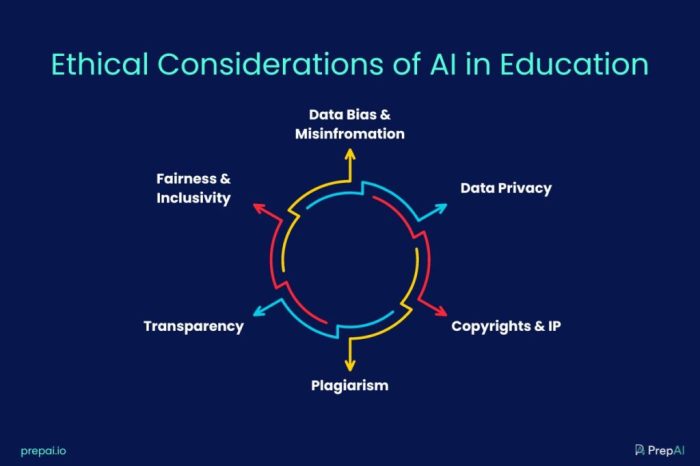
The integration of artificial intelligence in education brings forth significant ethical considerations that need to be addressed. As educational institutions increasingly adopt AI technologies, the implications for data privacy, algorithmic bias, and the necessity for accountability and transparency become paramount. An understanding of these concerns is crucial to create an educational environment that is not only innovative but also ethical and equitable for all students.
Data Privacy and Security in AI Education Tools
The use of AI in educational settings involves the collection and processing of vast amounts of student data, raising serious concerns about data privacy and security. Schools and educational institutions must navigate the complexities of safeguarding sensitive information, often governed by laws such as FERPA (Family Educational Rights and Privacy Act) in the U.S. A breach of this data could lead to unauthorized access to personal information, which can have detrimental consequences for students and their families.
The protection of student data is not just a legal obligation; it is a moral imperative that underpins trust in educational institutions.
To ensure data privacy and security, educational institutions should consider the following measures:
- Implementing robust data encryption and storage solutions to protect sensitive information.
- Regularly updating privacy policies and informing stakeholders about data handling practices.
- Training staff on data security protocols and the importance of safeguarding student information.
Bias in AI Algorithms and Implications for Student Learning
AI systems are often influenced by the data they are trained on, which can lead to unintended biases that affect student learning experiences. These biases may arise from factors such as socio-economic status, race, or gender, resulting in unequal educational opportunities. For instance, if an AI tool is primarily trained on data from affluent demographics, it may not accurately represent or address the needs of students from diverse backgrounds.
Addressing bias in AI systems is essential for ensuring that all students receive a fair and equitable education.
The implications of biased algorithms can include:
- Disproportionate access to educational resources for certain groups of students.
- Reinforcement of stereotypes and misrepresentations in educational content.
- Potential discouragement of students from marginalized backgrounds, affecting their engagement and success.
Transparency and Accountability in AI Deployment
Transparency in AI deployment within education is critical for fostering trust among educators, students, and parents. Stakeholders must be informed about how AI systems function, what data they utilize, and their decision-making processes. Accountability mechanisms should be established to ensure that developers and educational institutions uphold ethical standards.
Without transparency, the efficacy and fairness of AI educational tools remain questionable, leading to potential misuse and disillusionment.
Key elements of transparency and accountability include:
- Providing clear documentation of AI algorithms and their sources of data.
- Establishing oversight committees to evaluate and monitor the implementation of AI tools in schools.
- Encouraging feedback from students and educators to improve AI systems continuously.
Future Trends of AI in Education
As we look ahead, the landscape of education is poised for notable transformations driven by advancements in artificial intelligence. The integration of AI technologies is not merely a trend but a significant shift that promises to improve educational experiences, streamline processes, and enhance learning outcomes globally. The future of AI in education holds immense potential that could redefine how we teach, learn, and evaluate knowledge.One of the most exciting aspects of AI in education is its capacity to evolve and adapt to new challenges and needs.
As AI technologies become more sophisticated, we can anticipate a number of emerging trends that will shape the future of educational environments.
Emerging Trends in AI Technology
The future involves not only the refinement of existing technologies but also the introduction of innovative solutions that address diverse educational challenges. Key trends to watch for include:
- Adaptive Learning Systems: These systems will use AI algorithms to tailor educational content to the individual learning pace and style of each student, making education more personalized and effective.
- AI-Powered Learning Assistants: Virtual teaching assistants will become more prevalent, providing on-demand support to students and teachers, answering queries, and helping to facilitate learning outside of traditional classroom settings.
- Data-Driven Insights: AI will enable the analysis of vast amounts of educational data, allowing institutions to make informed decisions about curriculum development and instructional strategies based on student performance and engagement metrics.
- Enhanced Accessibility: AI tools will be developed to support diverse learners, including those with disabilities, ensuring that education is inclusive and accessible to all students regardless of their needs.
- Global Learning Networks: AI technologies will foster international collaboration, allowing students from different parts of the world to share resources and learning experiences seamlessly.
Potential to Revolutionize Global Education Systems
The integration of AI in education has the potential to create a more equitable and effective learning environment worldwide. By leveraging AI technologies, educational systems can address disparities in access to quality education and resources. For example, AI-driven platforms can deliver high-quality educational content to remote areas where traditional schooling may be limited. Moreover, AI can play a critical role in professional development for educators, offering personalized training modules based on individual strengths and areas for improvement.
As institutions implement such systems, we can expect to see a marked increase in teacher effectiveness and student engagement.
“The future of education will see AI not only enhancing learning but also fundamentally changing the roles of educators and institutions.”
Research and Development Areas within AI Education, Artificial Intelligence In Education
Ongoing research and development in AI education will focus on enhancing the efficacy and reach of these technologies. Important areas of exploration include:
- Natural Language Processing (NLP): Developing tools that engage students in dialogue and facilitate comprehension through conversational AI.
- Machine Learning Algorithms: Improving predictive analytics to better forecast student needs and performance trends.
- Gamification of Learning: Creating engaging educational experiences that leverage AI to adapt games and simulations to individual learning journeys.
- Ethical AI Use in Education: Researching frameworks that ensure responsible usage of AI technologies while protecting student data and privacy.
- Interdisciplinary Learning: Exploring how AI can integrate knowledge across various fields to provide holistic education solutions.
Case Studies of Successful AI Implementation: Artificial Intelligence In Education

Source: prepai.io
Educational institutions around the world have begun to integrate artificial intelligence into their programs, showcasing the transformative potential of technology in learning environments. These case studies highlight various applications of AI, demonstrating positive outcomes and valuable lessons learned. By analyzing these initiatives, we can identify best practices for future implementations.
University of Arizona’s Adaptive Learning System
The University of Arizona has successfully implemented an adaptive learning system that personalizes the learning experience for students in introductory courses. Utilizing AI algorithms, the system assesses student performance in real-time, adjusting content and resources to meet individual needs. The results have been promising, with improved retention rates and higher grades among students using the adaptive system compared to traditional methods.
Key lessons learned from this initiative include:
-
Continuous feedback is crucial for student engagement and success.
- The importance of training faculty to effectively integrate AI tools into their teaching practices.
- A collaborative approach between IT and academic departments enhances the effectiveness of AI systems.
Carnegie Learning’s MATHia Software
Carnegie Learning has developed MATHia, an AI-driven software designed to support middle and high school mathematics education. MATHia offers personalized learning pathways and provides teachers with detailed analytics on student progress.In various school districts where MATHia was implemented, educators reported a significant increase in student understanding and mastery of mathematical concepts. The initiative has highlighted several best practices:
-
Empowering teachers with data helps them tailor instruction more effectively.
- Engaging students through interactive and adaptive content increases motivation and participation.
- Developing strong partnerships with technology providers can enhance implementation success.
Georgia State University’s Predictive Analytics System
Georgia State University has embraced predictive analytics to improve student retention and graduation rates. By utilizing AI to analyze extensive datasets, the university can identify at-risk students and provide targeted support services.The implementation has led to a remarkable increase in graduation rates, with the university reporting over 70% of students graduating within six years. The following practices have emerged as essential from this initiative:
-
Data-driven decision-making improves institutional support for students.
- Intervention strategies must be timely and personalized to be effective.
- Engagement with students through early outreach fosters a sense of community and support.
Duolingo’s Language Learning Platform
Duolingo employs AI to create an engaging language learning platform that adapts to users’ learning styles. The app uses machine learning algorithms to analyze user interactions, providing a tailored experience.The success of Duolingo is evident in its global user base, with millions engaging in daily practice. Key takeaways from Duolingo’s approach include:
-
Gamification can enhance user engagement and motivation.
- Utilizing AI for personalization can result in better learning outcomes.
- Regular updates and improvements based on user data keep the platform relevant and effective.
These case studies exemplify the successful integration of AI in educational settings, showcasing a diverse range of applications. The insights gained from these initiatives provide a strong foundation for further advancements in the use of AI in education.
Final Review
In conclusion, the discussion surrounding Artificial Intelligence In Education reveals not only the incredible potential of these technologies but also the ethical considerations that must be addressed as we move forward. By examining case studies of successful AI implementations, we can glean insights and best practices that illustrate the positive impact AI can have on education. As we look to the future, it is clear that AI will continue to play a pivotal role in transforming educational systems worldwide, presenting both exciting opportunities and challenges that educators and institutions must navigate.
Quick FAQs
What are the main benefits of AI in education?
AI enhances personalized learning, automates administrative tasks, provides real-time feedback, and supports teachers in lesson planning.
How does AI contribute to student engagement?
AI tools like chatbots and virtual tutors offer interactive learning experiences that keep students engaged and motivated.
What ethical concerns surround AI in education?
Concerns include data privacy, algorithmic bias, and the need for transparency and accountability in AI systems.
Can AI replace teachers in the classroom?
No, AI is designed to support teachers, not replace them, by enhancing their ability to provide personalized instruction.
What future trends can we expect in AI education?
Emerging trends include increased use of adaptive learning technologies, AI-driven analytics for assessment, and enhanced virtual learning environments.